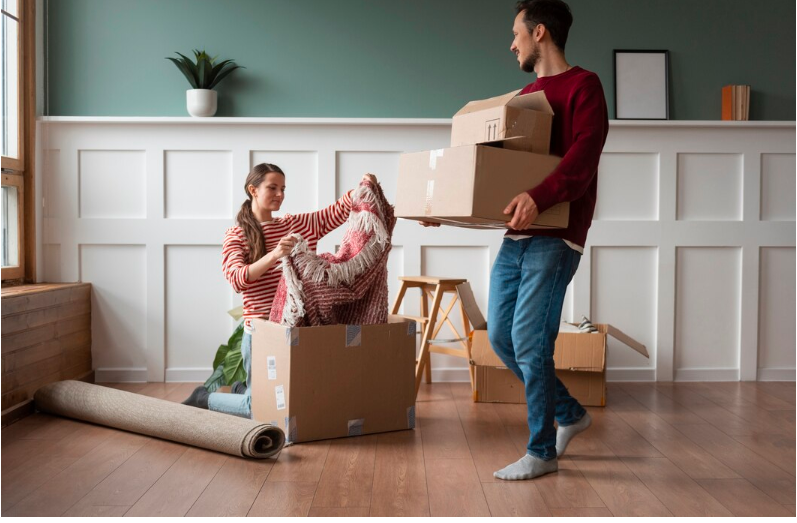
Moving into a new house brings excitement, relief, and a long list of responsibilities. After the boxes arrive and furniture is placed, the real challenge begins: organizing your new living space so it feels functional, comfortable, and stress free. Many homeowners rely on a house moving service in Sydney to simplify relocation, but efficient organization afterward plays an equally important role in creating a smooth transition.
A well organized home saves time, reduces clutter, and improves daily routines. Instead of unpacking randomly or rushing to arrange everything at once, a structured approach helps transform chaos into order. This guide explains practical strategies to help you organize your new home efficiently after moving while maintaining long term functionality.
Start With a Clear Organization Plan
Before opening every box, take time to assess your new home’s layout and decide how each space will function. Planning prevents unnecessary rearranging later.
Walk through each room and visualize how you want to use it. Consider natural lighting, storage options, and movement flow between spaces. Think about daily habits rather than copying your previous home setup.
Key planning considerations include:
- Identify primary functions of each room before unpacking
- Decide furniture placement first to avoid repeated lifting
- Create temporary zones for unopened boxes
- Prioritize essential living areas such as kitchen and bedroom
Having a plan reduces decision fatigue and ensures every item has a purpose and location.
Unpack Essentials Before Decorative Items
One of the most common mistakes after moving is unpacking decorative or non essential items too early. Focus on functionality first.
Start with items required for daily living. This allows your household to return to normal routines quickly while minimizing stress.
Prioritize unpacking in this order:
- Bedding and sleep essentials
- Bathroom necessities and toiletries
- Kitchen basics for simple meals
- Work or study supplies
- Daily clothing
Once essential areas are operational, you can unpack decorative elements at a relaxed pace.
Organize Room by Room Instead of Everywhere at Once
Trying to unpack the entire house simultaneously creates visual clutter and mental overwhelm. A room by room strategy provides measurable progress and better organization.
Complete one space fully before moving to the next. This includes unpacking, arranging, and disposing of packing materials.
Benefits of this approach include:
- Faster visible results that increase motivation
- Reduced clutter spreading throughout the home
- Easier decision making for storage placement
- Improved focus and efficiency
Start with rooms used most frequently, then gradually move toward secondary areas.
Declutter While You Unpack
Moving presents the perfect opportunity to eliminate unnecessary belongings. Instead of placing everything back into storage, evaluate each item during unpacking.
Ask practical questions about usefulness and relevance in your new home environment. If something no longer fits your lifestyle or space, consider removing it immediately.
Useful decluttering categories include:
- Keep items used regularly
- Donate items in good condition but rarely used
- Recycle damaged or outdated belongings
- Store seasonal items separately
Decluttering during unpacking prevents accumulation of unused items and helps maintain long term organization.
Set Up Smart Storage Systems Early
Efficient organization depends on storage systems that support daily routines. Waiting too long to create storage solutions often leads to clutter buildup.
Focus on accessibility and practicality rather than aesthetics alone. Items used frequently should remain easy to reach.
Effective storage principles include:
- Store similar items together
- Use vertical space with shelves or organizers
- Label storage containers clearly
- Keep frequently used items at eye level
Establishing systems early ensures consistency and prevents future reorganization efforts.
Optimize Kitchen Organization First
The kitchen is one of the most frequently used spaces in any home. Organizing it early improves comfort and efficiency immediately after moving.
Begin by grouping items according to cooking workflow. Place utensils near preparation areas and cookware close to the stove.
Practical kitchen organization tips:
- Arrange pantry items by category such as grains, snacks, and spices
- Store everyday dishes within easy reach
- Use drawer dividers for utensils
- Reserve higher shelves for rarely used appliances
A functional kitchen supports healthier routines and reduces daily frustration.
Create Functional Bedroom Spaces
Bedrooms should feel calm and relaxing from the first few days after moving. Proper organization helps establish rest and routine quickly.
Focus on minimizing visible clutter and maximizing storage efficiency. Clothing organization plays a major role in maintaining order.
Important bedroom organization steps include:
- Arrange wardrobes by clothing type or season
- Use under bed storage for extra linens
- Keep bedside essentials minimal
- Designate a laundry basket location immediately
A well organized bedroom contributes to better sleep quality and overall comfort.
Establish Entryway Organization
The entryway often becomes a clutter hotspot if not organized early. Shoes, bags, keys, and mail accumulate quickly without designated storage.
Creating a structured entry system helps maintain cleanliness throughout the house.
Consider organizing your entryway with:
- Hooks for bags and jackets
- Shoe racks or storage benche
- Small trays for keys and wallets
- Mail sorting containers
An organized entryway sets the tone for the rest of the home and simplifies daily departures.
Organize Bathroom Storage Efficiently
Bathrooms typically offer limited storage, making organization essential. Thoughtful placement prevents overcrowding and keeps essentials accessible.
Group items based on usage frequency and personal ownership.
Effective bathroom organization ideas:
- Use drawer organizers for cosmetics and grooming tools
- Store backups separately from daily items
- Install shelves for vertical storage
- Keep countertops clear except for essentials
Maintaining minimal surface clutter creates a cleaner and more relaxing environment.
See also: Energy-Efficient Air Cooling Solutions for Homes and Commercial Spaces
Manage Paperwork and Important Documents
During a move, paperwork accumulates rapidly. Organizing documents early prevents loss and confusion later.
Create a dedicated filing system immediately after settling in.
Important document organization tips:
- Separate personal, financial, and property documents
- Use labeled folders or binders
- Store critical papers in a secure location
- Digitize documents when possible
A structured system saves time when documents are needed urgently.
Arrange Living Areas for Comfort and Flow
Living rooms and shared spaces should encourage relaxation and interaction. Furniture placement affects both functionality and visual balance.
Avoid overcrowding by leaving enough walking space between furniture pieces. Arrange seating to promote conversation and accessibility.
Key considerations include:
- Position seating around a focal point
- Maintain clear pathways between rooms
- Use storage furniture to reduce clutter
- Keep frequently used items nearby
Comfortable living areas help your home feel settled sooner.
Label and Store Remaining Boxes Properly
Not every item needs immediate unpacking. Seasonal decorations or rarely used belongings can remain stored if organized correctly.
Instead of stacking unidentified boxes, categorize and label them clearly.
Best practices for storing leftover boxes:
- Label contents on multiple sides
- Store similar items together
- Keep storage areas accessible
- Avoid over stacking heavy boxes
Organized storage prevents future frustration when items are needed.
Build Daily Organization Habits
Long term organization depends more on habits than initial setup. Small daily routines maintain order without requiring major cleaning sessions.
Consistency helps prevent clutter from returning.
Simple habits that support organization include:
- Return items to their designated place after us
- Spend a few minutes resetting rooms each evening
- Avoid accumulating unnecessary duplicates
- Review storage spaces periodically
These routines ensure your home remains efficient beyond the moving phase.
Personalize Your Space Gradually
After functional organization is complete, personalization brings warmth and identity to your home. Decorating slowly allows thoughtful decisions rather than rushed purchases.
Add meaningful elements that reflect your lifestyle and preferences.
Gradual personalization ideas:
- Display artwork after final furniture placement
- Introduce plants to enhance atmosphere
- Use textiles to add comfort and color
- Rotate decor seasonally
Taking time with decoration prevents overcrowding and maintains visual harmony.
Avoid Common Post Moving Organization Mistakes
Many homeowners unintentionally create extra work by rushing organization decisions. Awareness of common mistakes helps maintain efficiency.
Common issues to avoid include:
- Unpacking without a storage pla
- Keeping unnecessary items out of habit
- Filling storage spaces without categorizing
- Ignoring functionality in favor of appearance
Avoiding these pitfalls ensures your organization efforts remain sustainable.
Maintain Flexibility as You Adjust
Your first organization system may not be perfect, and that is completely normal. Living in a space reveals what works and what needs adjustment.
Allow your home setup to evolve naturally as routines develop. Small modifications improve functionality over time without requiring major reorganizing.
Remember that efficient organization focuses on practicality rather than perfection.
Conclusion
Organizing your new home efficiently after moving is a gradual process that combines planning, prioritization, and consistent habits. By unpacking strategically, setting up smart storage systems, and focusing on functionality first, you can transform a newly moved space into a well structured and comfortable home.
A thoughtful approach ensures each room serves its purpose while supporting everyday routines. With clear organization strategies and mindful decision making, your new home becomes not just a place to live but a space that enhances productivity, relaxation, and long term comfort.