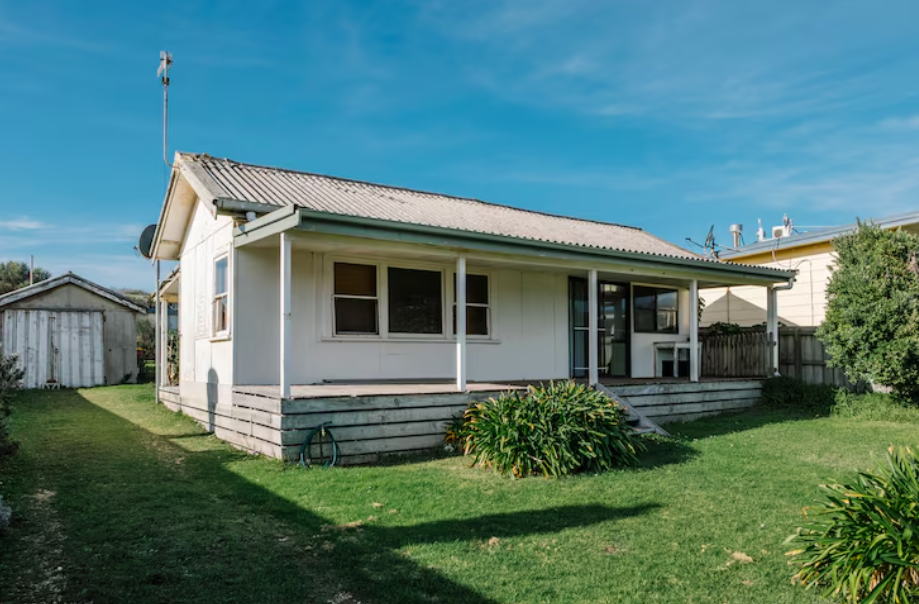
Granny flats have rapidly become a smart and flexible housing solution for modern homeowners. Whether you want to create additional living space for family members, earn rental income, or increase your property’s value, building a granny flat is a strategic investment. However, the outcome of your project depends heavily on one key factor—selecting the right granny flat builder.
This detailed guide will help you understand the importance of choosing the right builder, what to look for, and how to ensure your granny flat project is successful from start to finish.
Understanding Granny Flats
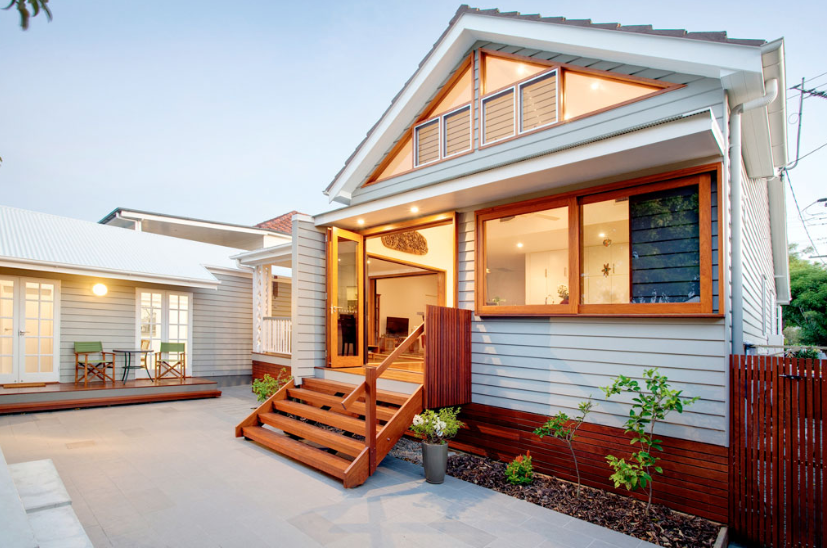
A granny flat is a compact, self-contained residential unit located on the same property as a primary home. It typically includes all essential amenities such as:
- A bedroom or sleeping area
- A bathroom
- A kitchen or kitchenette
- A living space
Granny flats can be detached, attached to the main house, or converted from existing structures like garages or basements.
Why More Homeowners Are Building Granny Flats
Granny flats are gaining popularity for several practical and financial reasons.
1. Generate Passive Income
Renting out a granny flat can provide a reliable stream of income, making it a great long-term investment.
2. Support for Extended Family
They offer a comfortable and private living space for elderly parents or adult children while keeping them close.
3. Boost Property Value
Adding a well-designed granny flat can significantly increase the overall value of your property.
4. Versatile Usage
From home offices to guest accommodations or creative studios, granny flats can serve multiple purposes.
What Does a Granny Flat Builder Do?
A granny flat builder is a professional who specializes in designing and constructing secondary dwelling units. Unlike general contractors, they have focused expertise in:
- Local building codes and regulations
- Efficient use of limited space
- Cost-effective construction techniques
- End-to-end project management
Hiring a specialist ensures your project is handled efficiently and complies with all necessary legal requirements.
Important Factors When Choosing a Granny Flat Builder
Selecting the right builder can make or break your project. Here are the key factors to consider:
1. Proven Experience
Choose a builder with a strong track record in granny flat construction.
Check for:
- Completed projects
- Portfolio of designs
- Industry experience
2. Proper Licensing and Insurance
Make sure the builder is licensed and insured to protect yourself from potential risks and liabilities.
3. Design Flexibility
A good builder should offer both standard and custom design options to suit your needs and preferences.
4. Clear and Honest Pricing
Transparency in pricing is essential. Look for detailed quotes that outline all costs involved.
5. Comprehensive Services
Builders offering turnkey solutions can handle everything—from design and approvals to construction and finishing.
6. Customer Feedback
Reviews and testimonials provide valuable insight into the builder’s reliability and quality of work.
7. Project Timeline
Understanding how long the project will take—and how delays are managed—is crucial for planning.
Questions You Should Ask Before Hiring
To make an informed decision, ask potential builders the following:
- How many granny flats have you completed?
- Can you provide references or examples of past work?
- Do you manage permits and approvals?
- What does your pricing include?
- Are there any hidden costs?
- What warranties do you offer?
- Who will supervise the construction?
These questions help ensure transparency and professionalism.
Step-by-Step Granny Flat Construction Process
Here’s what you can typically expect when working with a granny flat builder:
1. Consultation
Discuss your goals, budget, and design ideas.
2. Site Evaluation
The builder assesses your property to determine feasibility and constraints.
3. Design and Approval
Plans are created and submitted for necessary approvals.
4. Construction Phase
The actual building process begins, including all structural and finishing work.
5. Final Handover
After inspections, the completed granny flat is handed over to you.
See also: Business Contract Lawyer: Why Your Business Needs One
Mistakes to Avoid When Hiring a Builder
Avoid these common errors to ensure a smooth project:
1. Focusing Only on Cost
Low prices can sometimes mean compromised quality. Always balance cost with experience and reliability.
2. Skipping Research
Failing to check reviews or past work can lead to poor choices.
3. Ignoring Contract Details
Carefully review all terms, conditions, and inclusions before signing.
4. Overlooking Regulations
Ensure your builder is knowledgeable about local zoning and building laws.
How Much Does It Cost to Build a Granny Flat?
The total cost depends on various factors such as size, materials, design complexity, and location.
Common Cost Components:
- Design and architectural plans
- Approval and permit fees
- Construction materials
- Labor charges
- Utility connections
While the upfront cost may seem high, the long-term returns often justify the investment.
Tips for a Smooth Building Experience
To ensure your project runs efficiently, follow these tips:
1. Define Your Budget Early
Set realistic expectations and allow for some contingency.
2. Maintain Open Communication
Stay in regular contact with your builder to track progress and address concerns.
3. Think Long-Term
Design the space with future needs in mind.
4. Choose Quality Materials
Durable materials reduce maintenance costs over time.
5. Document Everything
Keep written records of agreements, changes, and payments.
Advantages of Hiring a Specialist Granny Flat Builder
Working with an experienced granny flat builder offers several benefits:
- Expertise: Specialized knowledge ensures better results
- Efficiency: Faster and more streamlined construction
- Compliance: Adherence to local building regulations
- Better Design: Optimized layouts for small spaces
Emerging Trends in Granny Flat Design
The granny flat industry is evolving with modern trends, including:
1. Eco-Friendly Construction
Sustainable materials and energy-efficient designs are becoming increasingly popular.
2. Smart Home Integration
Features like automated lighting, security systems, and climate control are in demand.
3. Modular Builds
Prefabricated granny flats offer quicker and often more affordable construction options.
4. High-End Finishes
Even small spaces are now being designed with luxury in mind.
Conclusion
Building a granny flat is a valuable investment that offers flexibility, financial benefits, and enhanced property value. However, the key to a successful project lies in choosing the right granny flat builder.
By evaluating experience, checking credentials, comparing designs, and ensuring transparent communication, you can confidently select a builder who aligns with your vision. Take your time, do your research, and plan carefully—your ideal granny flat is well within reach.