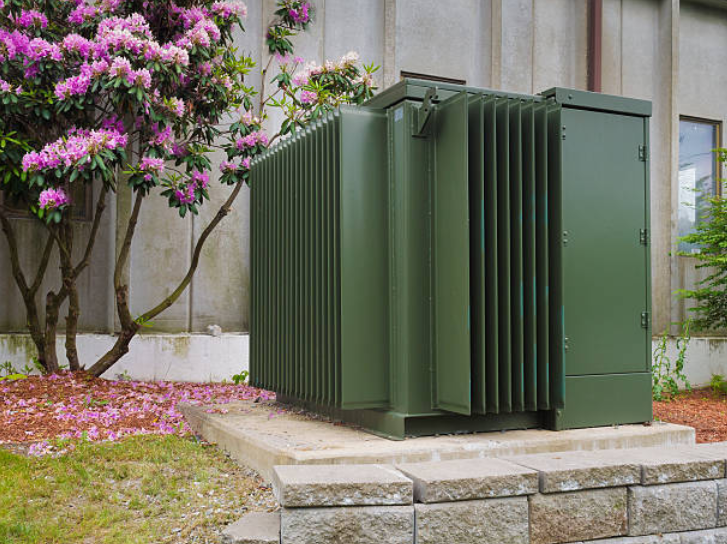
Modern commercial and industrial infrastructure depends on stable and efficient electrical distribution systems. A 3 phase pad mounted transformer plays a critical role in delivering reliable power to buildings, manufacturing facilities, data centers, and large commercial complexes. These transformers are installed at ground level within secure enclosures and are designed to convert medium voltage electricity from utility lines into usable low voltage power.
Effective load management is essential for maintaining system reliability, minimizing downtime, and optimizing energy usage. Poor load distribution can lead to overheating, voltage imbalance, equipment damage, and higher operational costs. By implementing strategic load management techniques with three phase pad mounted transformers, organizations can ensure consistent power delivery while maximizing system efficiency.
This article explores key load management strategies, operational considerations, and best practices for facilities that rely on three phase pad mounted transformers.
Understanding the Role of 3 Phase Pad Mounted Transformers
Before discussing load management strategies, it is important to understand how these transformers operate within a power distribution network.
Three phase pad mounted transformers are typically used in underground electrical distribution systems where aesthetics, safety, and reliability are priorities. They step down medium voltage power supplied by utilities into lower voltage levels required for commercial equipment and building operations.
Key characteristics include:
- Ground level installation on a concrete pad
- Tamper resistant locked steel enclosure
- Designed for underground cable connections
- Oil filled cooling system for thermal stability
- High capacity power distribution for commercial loads
Because these transformers serve large electrical systems, proper load balancing and demand planning are essential to prevent performance issues.
Why Load Management Is Important in Power Distribution
Electrical load refers to the total power demand placed on a transformer by connected equipment and systems. In commercial environments, this demand fluctuates throughout the day depending on operational activities.
Effective load management ensures that transformers operate within safe limits while delivering consistent voltage and power quality.
Benefits of proper load management include:
- Improved transformer lifespan
- Reduced risk of overheating
- Stable voltage across connected equipment
- Lower energy losses during transmission
- Better operational efficiency for electrical systems
- Reduced maintenance and downtime
Without proper management, uneven loads can cause phase imbalance, which negatively affects motors, HVAC systems, and sensitive electronic equipment.
Understanding Load Distribution in Three Phase Systems
A three phase electrical system distributes power across three separate conductors or phases. Ideally, each phase carries an equal portion of the total load.
Balanced load distribution ensures smooth operation of the transformer and minimizes electrical stress.
Common issues caused by load imbalance include:
- Excessive heating in transformer windings
- Voltage fluctuations in connected equipment
- Reduced efficiency of motors and compressors
- Increased energy losses
- Potential failure of electrical components
Proper planning and monitoring are required to maintain balanced loading across all phases.
Key Load Management Strategies for 3 Phase Pad Mounted Transformers
Several strategies can help maintain optimal load distribution and improve transformer performance.
Phase Load Balancing
Phase balancing is one of the most effective load management techniques.
It involves distributing electrical loads evenly across all three phases of the transformer.
Key practices include:
- Analyzing electrical panels to determine phase loading
- Redistributing circuits when one phase carries excessive load
- Ensuring major equipment is evenly assigned across phases
- Monitoring real time load measurements
Balanced phases reduce thermal stress and improve transformer efficiency.
Demand Load Analysis
Understanding peak demand periods is critical for effective load planning.
Facilities often experience varying electrical demand depending on operational schedules.
Load analysis involves:
- Monitoring daily and seasonal power consumption patterns
- Identifying peak load periods
- Evaluating equipment power requirements
- Forecasting future load growth
By analyzing demand patterns, facilities can prevent transformer overload and optimize energy usage.
Load Segmentation
Dividing electrical loads into smaller segments helps manage power distribution more effectively.
Instead of connecting all systems to a single transformer output, loads can be separated by function or priority.
Examples include:
- Dedicated circuits for HVAC systems
- Separate distribution for lighting systems
- Isolated power supply for heavy industrial equipment
- Backup circuits for critical operations
Load segmentation reduces the risk of system wide disruption if one segment experiences high demand.
Staggered Equipment Operation
Many commercial facilities operate multiple high power machines simultaneously. Running all heavy equipment at the same time can cause sudden demand spikes.
Staggering equipment operation helps reduce peak load.
Common strategies include:
- Scheduling industrial machinery in phases
- Delaying start up of large motors
- Rotating high demand equipment during peak periods
- Implementing automated load control systems
These strategies distribute electrical demand more evenly throughout the day.
Power Factor Correction
Power factor measures how efficiently electrical power is used. A low power factor increases the load on transformers and electrical infrastructure.
Improving power factor can reduce unnecessary strain on three phase pad mounted transformers.
Typical methods include:
- Installing capacitor banks
- Using power factor correction equipment
- Optimizing motor driven systems
- Monitoring reactive power levels
Higher power factor improves overall energy efficiency and reduces electrical losses.
Monitoring and Load Tracking Technologies
Modern power management systems provide advanced tools for monitoring transformer performance and electrical load conditions.
Continuous monitoring helps detect potential issues before they become serious problems.
Common monitoring solutions include:
- Smart energy meters
- Digital transformer monitoring systems
- Remote load tracking software
- Thermal monitoring sensors
- SCADA based electrical control systems
These technologies allow facility managers to analyze real time electrical data and adjust load distribution when necessary.
Thermal Management Considerations
Transformer temperature directly affects performance and lifespan. Excessive heat is one of the primary causes of transformer failure.
Load management strategies should always consider thermal performance.
Important thermal management practices include:
- Maintaining proper transformer ventilation
- Avoiding continuous overload conditions
- Monitoring oil temperature levels
- Ensuring proper installation spacing
- Regular inspection of cooling systems
Keeping transformers within recommended temperature limits helps maintain long term reliability.
Planning for Future Load Expansion
Commercial facilities rarely maintain the same power demand over time. As operations expand, electrical loads typically increase.
Planning for future capacity prevents costly infrastructure upgrades later.
Important planning considerations include:
- Estimating future equipment power requirements
- Allowing transformer capacity margin
- Designing scalable electrical distribution systems
- Evaluating potential expansion projects
- Reviewing historical load growth trends
Proactive planning ensures the transformer can accommodate future demand without performance issues.
See also: Green Technology for a Sustainable Future
Preventing Transformer Overload
Transformer overload occurs when electrical demand exceeds the equipment’s rated capacity.
Repeated overload conditions can damage internal insulation and shorten transformer life.
Preventive measures include:
- Maintaining load levels below rated capacity
- Installing overload protection systems
- Using automated circuit breakers
- Monitoring real time transformer load data
- Conducting periodic electrical audits
Early detection of overload conditions helps prevent costly equipment failure.
Role of Preventive Maintenance in Load Management
Preventive maintenance plays a major role in ensuring transformers operate efficiently under varying loads.
Routine inspections help identify potential problems before they escalate.
Important maintenance tasks include:
- Inspecting transformer oil quality
- Checking insulation integrity
- Verifying grounding systems
- Inspecting electrical connections
- Testing protection devices
Consistent maintenance ensures transformers remain capable of handling load demands safely.
Integrating Load Management with Smart Grid Technology
The evolution of smart grid infrastructure is improving how utilities and facilities manage electrical loads.
Smart grid integration allows better communication between transformers, distribution systems, and utility providers.
Benefits include:
- Real time load balancing across the grid
- Faster detection of electrical faults
- Improved energy efficiency
- Automated demand response programs
- Enhanced reliability during peak demand
Facilities using three phase pad mounted transformers can benefit significantly from smart grid connectivity.
Common Challenges in Transformer Load Management
Despite modern technologies, many facilities still face challenges in managing electrical loads effectively.
Some common issues include:
- Rapid increase in equipment power demand
- Poorly balanced electrical circuits
- Lack of real time monitoring tools
- Aging electrical infrastructure
- Inadequate planning for system expansion
Addressing these challenges requires a combination of proper engineering design, monitoring systems, and operational planning.
Best Practices for Efficient Transformer Load Management
To ensure reliable performance, facilities should adopt a structured approach to load management.
Recommended best practices include:
- Conduct regular electrical load assessments
- Maintain balanced distribution across phases
- Implement advanced monitoring technologies
- Plan capacity for future expansion
- Maintain consistent transformer maintenance schedules
- Train technical teams on load management strategies
Following these practices helps organizations maintain a stable and efficient power distribution system.
Conclusion
Three phase pad mounted transformers serve as a cornerstone of modern commercial power distribution systems. Their ability to handle large electrical loads makes them essential for office complexes, industrial facilities, data centers, and retail developments.
However, effective performance depends heavily on proper load management. Balanced phase distribution, demand analysis, power factor correction, and real time monitoring all contribute to efficient transformer operation. Thermal management, preventive maintenance, and long term planning further enhance system reliability.
By implementing structured load management strategies, organizations can extend transformer lifespan, reduce energy losses, and maintain stable electrical infrastructure that supports growing operational demands.