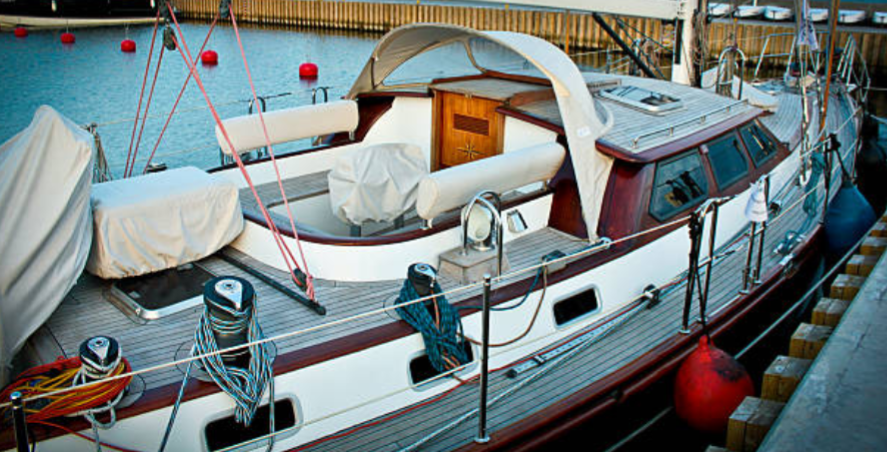
Boat owners understand the importance of protecting their vessels from wind, rain, sun exposure, and salt air. A high-quality enclosure system does more than shield passengers from the elements. It preserves the condition of your boat’s interior, improves comfort, and enhances visibility while navigating. Investing in durable custom boat canvas enclosures is a smart decision, but proper maintenance and informed care are essential to ensure long lasting performance.
This comprehensive guide explains how to choose the right enclosure materials, maintain clarity, prevent wear, and extend the life of your marine enclosure without unnecessary repairs or replacements.
Why Boat Canvas Enclosures Matter
Boat canvas enclosures serve multiple functions. They create a protective barrier against environmental exposure while maintaining airflow and visibility. These enclosures allow boaters to enjoy comfort during varying weather conditions without sacrificing performance.
Sunlight, saltwater spray, humidity, and airborne debris can all impact the structural integrity of marine materials. A well-maintained enclosure helps reduce interior fading, prevent moisture damage, and protect sensitive electronics. By selecting quality materials and maintaining them properly, boat owners preserve both comfort and value.
Understanding Marine Canvas and Clear Panel Materials
Boat canvas enclosures typically combine marine grade fabric with clear panel inserts. Each component plays a specific role in durability and functionality.
Marine Grade Canvas Fabric
Canvas used in marine applications is designed to withstand UV exposure and moisture. It resists mildew and fading when properly cared for. Strong stitching and reinforced seams provide additional durability in challenging marine environments.
Clear Vinyl and Polycarbonate Panels
Clear panels are critical for maintaining visibility. Vinyl panels offer flexibility and ease of storage, while rigid polycarbonate options provide enhanced clarity and structural strength. Proper cleaning and protection are essential for both materials to prevent clouding and scratches.
Understanding the characteristics of your enclosure materials helps you implement the correct maintenance routine.
Proper Cleaning Techniques for Clear Panels
Maintaining clarity is one of the most important aspects of enclosure care. Scratches and haze reduce visibility and diminish the appearance of your boat.
Using a specialized plastic polish and cleaner ensures that enclosure panels are cleaned safely without causing damage. Household glass cleaners may contain chemicals that weaken protective coatings or degrade plastic surfaces.
Step 1 Rinse Thoroughly
Before applying any cleaner, rinse panels with fresh water. This removes salt crystals and debris that could scratch the surface during wiping.
Step 2 Apply Approved Cleaner
Use a soft microfiber cloth to apply the cleaner gently. Avoid paper towels or abrasive sponges. Work in straight lines rather than circular motions to minimize swirl marks.
Step 3 Dry Carefully
Allow panels to air dry or gently pat dry with a clean cloth. Ensure surfaces are fully dry before rolling or storing flexible panels.
Consistent cleaning prevents buildup and preserves optical clarity.
Caring for Isinglass Enclosures
Many boat owners choose isinglass enclosures for their flexibility and clear visibility. Isinglass panels require careful handling to maintain transparency and prevent creasing.
Avoid Folding
Isinglass should always be rolled instead of folded. Creases can cause permanent distortion in the material.
Store Properly
When not in use, store panels in a dry and cool environment. Use protective covers to shield against dust and UV exposure.
Inspect Regularly
Check for signs of yellowing, brittleness, or loose stitching. Early detection allows for timely maintenance and prevents more extensive damage.
With proper care, isinglass panels can maintain clarity and flexibility for extended periods.
Protecting Canvas Fabric from Wear
While clear panels often receive the most attention, canvas fabric also requires maintenance.
Clean Fabric Gently
Use mild soap and water to clean canvas. Avoid harsh chemicals that may weaken fibers or affect water resistance.
Allow Complete Drying
Before storing or covering your boat, ensure the canvas is fully dry. Storing damp fabric increases the risk of mildew growth.
Reapply Water Repellent Treatments
Over time, water resistance may diminish. Applying marine safe water repellent treatments helps maintain protection against moisture.
Routine fabric care supports the structural integrity of the enclosure system.
Preventing Common Causes of Damage
Awareness of common maintenance mistakes helps extend the lifespan of your enclosure.
Using Incorrect Cleaning Products
Ammonia based cleaners and alcohol solutions can cause clouding and brittleness. Always choose products specifically designed for marine plastic and canvas materials.
Neglecting Salt Removal
Salt buildup accelerates wear and contributes to surface dullness. Regular rinsing reduces salt accumulation.
Improper Handling During Storage
Folding clear panels, stacking heavy objects on top of stored enclosures, or exposing materials to extreme heat can cause distortion and cracking.
Ignoring Minor Repairs
Small tears, loose snaps, or minor scratches can worsen over time. Addressing these issues promptly prevents larger repair needs.
Seasonal Maintenance Strategies
Seasonal transitions require special attention to enclosure care.
Pre-Season Inspection
Before returning to the water, inspect all panels, zippers, and fasteners. Ensure that hardware is secure and fabric is intact.
Off Season Preparation
Clean all components thoroughly before storage. Remove salt and debris to prevent staining or corrosion during downtime.
Protect from UV Exposure
Even when docked, prolonged sun exposure can degrade materials. Use protective covers or remove panels during extended inactivity.
A structured seasonal routine maintains enclosure performance year after year.
See also: Business Contract Lawyer: Why Your Business Needs One
Enhancing Visibility and Boating Comfort
Clear and well-maintained enclosures improve overall boating safety. Distorted or scratched panels interfere with navigation and increase strain on the eyes. Regular polishing and careful handling preserve clarity and reduce glare.
Comfort is also enhanced when enclosures are properly tensioned and securely fastened. Eliminating loose panels reduces noise and improves stability during operation.
Signs It May Be Time for an Upgrade
Even with proper maintenance, enclosure systems eventually show signs of aging. Persistent cloudiness, cracking panels, weakened stitching, or compromised hardware indicate it may be time for replacement.
Upgrading to modern enclosure materials provides improved durability, enhanced clarity, and better resistance to environmental factors. For more information about the company’s expertise and commitment to marine innovation, visit the About Us page.
Frequently Asked Questions
1. How often should I clean my boat enclosure panels?
Panels should be cleaned regularly, especially after exposure to saltwater. Routine cleaning prevents buildup and maintains clarity.
2. Can I use household glass cleaner on enclosure panels?
Household cleaners are not recommended. Many contain chemicals that damage marine plastic materials and protective coatings.
3. What is the best way to store flexible panels?
Flexible panels should be rolled, not folded. Store them in a cool and dry place with protective coverings.
4. How can I prevent scratches on clear panels?
Always rinse before wiping, use microfiber cloths, and apply marine approved cleaning products. Avoid abrasive materials.
5. How long do boat canvas enclosures last?
Lifespan depends on material quality and maintenance practices. Proper care significantly extends durability and preserves clarity.
Conclusion
Maintaining boat canvas enclosures requires consistent care, proper cleaning techniques, and thoughtful storage practices. By selecting quality materials, using approved marine cleaners, and addressing minor issues early, boat owners can extend the lifespan of their enclosure systems while preserving comfort and visibility.
Regular inspections and protective measures reduce long term damage caused by UV exposure, salt, and moisture. A well-maintained enclosure enhances both performance and appearance, ensuring dependable protection on the water. For boaters seeking durable craftsmanship and advanced marine enclosure solutions, EZ2CY delivers high quality systems designed for clarity, strength, and long-lasting value.