In modern commercial architecture, natural light is no longer just a design preference—it’s a strategic element that enhances productivity, energy efficiency, and overall workplace well-being. One of the most effective ways to introduce daylight into large buildings is through commercial rooflights. These architectural features are widely used in offices, warehouses, retail spaces, and industrial buildings to improve lighting conditions and create more inviting environments.
In this guide, we’ll explore what commercial rooflights are, their benefits, types, and key considerations when choosing the right solution for your building.
What Are Commercial Rooflights?
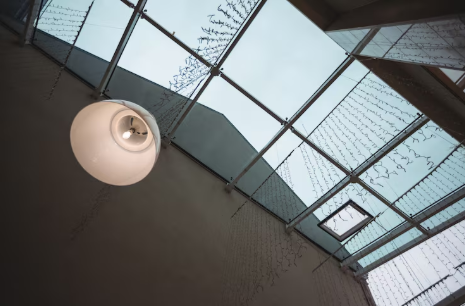
Commercial rooflights are glazed openings installed on the roof of a building to allow natural daylight to enter interior spaces. They are designed specifically for commercial and industrial properties, where large floor areas often lack sufficient windows for natural lighting.
Unlike residential skylights, commercial rooflights are built to cover larger spans and meet stricter performance standards in terms of durability, insulation, and safety.
Benefits of Commercial Rooflights
1. Improved Natural Lighting
One of the primary advantages of commercial rooflights is the increased access to natural daylight. This reduces reliance on artificial lighting during the day, creating a brighter and more pleasant indoor environment.
2. Energy Efficiency
By maximizing daylight, commercial rooflights can significantly reduce electricity usage. Less dependence on artificial lighting translates into lower energy bills and a reduced carbon footprint.
3. Enhanced Employee Productivity
Studies have shown that exposure to natural light can improve mood, concentration, and overall productivity. Workspaces with ample daylight tend to feel more comfortable and less monotonous.
4. Better Aesthetic Appeal
Rooflights add a modern and visually appealing element to any building. They can transform dull interiors into vibrant, well-lit spaces that leave a positive impression on employees and visitors alike.
5. Improved Ventilation (in some designs)
Certain commercial rooflights are designed to open, allowing hot air to escape and fresh air to circulate. This can help regulate indoor temperatures and improve air quality.
Types of Commercial Rooflights
Fixed Rooflights
These are non-opening units designed purely to let in natural light. They are ideal for spaces where ventilation is not a priority but daylight is essential.
Opening Rooflights
These rooflights can be opened manually or electronically to allow airflow. They are commonly used in areas that require both ventilation and lighting.
Dome Rooflights
Dome-shaped rooflights are popular in commercial and industrial settings due to their durability and ability to diffuse light evenly across large areas.
Flat Rooflights
These are installed flush with the roof surface, offering a sleek and modern appearance. They are often used in contemporary commercial buildings.
Walk-On Rooflights
Designed with reinforced glazing, walk-on rooflights can support foot traffic. They are typically used in terraces, roofs, or accessible roof spaces.
Applications of Commercial Rooflights
Commercial rooflights are versatile and can be used in various settings, including:
- Office buildings
- Warehouses and factories
- Retail stores and shopping centers
- Educational institutions
- Hospitality venues such as hotels and restaurants
- Sports facilities and gyms
In large open-plan environments, rooflights are especially useful for distributing natural light evenly across the space.
See also: Transform Your Home with Professional Laundry Renovations
Key Factors to Consider When Choosing Rooflights
1. Building Regulations and Compliance
Ensure that the rooflights meet local building codes and safety standards. This includes fire ratings, thermal performance, and structural integrity.
2. Thermal Efficiency
High-quality glazing with good insulation properties helps maintain indoor temperature, reducing heating and cooling costs.
3. Glazing Type
Double or triple glazing options provide better insulation, noise reduction, and security compared to single glazing.
4. Size and Placement
Proper placement is crucial for maximizing daylight without causing glare or overheating. The size should also be proportionate to the building’s layout.
5. Durability and Weather Resistance
Commercial rooflights should be built to withstand harsh weather conditions, including heavy rain, wind, and UV exposure.
6. Maintenance Requirements
Consider how easy it is to clean and maintain the rooflights, especially for large commercial installations.
Installation Considerations
Installing commercial rooflights requires professional expertise. Proper installation ensures:
- Watertight sealing to prevent leaks
- Structural compatibility with the roof
- Optimal positioning for daylight distribution
- Compliance with safety standards
It’s important to work with experienced contractors who specialize in commercial roofing systems to avoid future issues.
Maintenance and Care
Regular maintenance helps extend the lifespan of commercial rooflights. Some best practices include:
- Cleaning the glass periodically to maintain clarity
- Inspecting seals and joints for wear and tear
- Checking for cracks or damage after extreme weather
- Ensuring drainage systems remain clear
Routine inspections can help identify minor issues before they become costly repairs.
Final Thoughts
Commercial rooflights are a valuable addition to any modern building, offering a wide range of benefits from energy savings to improved workplace comfort. By bringing natural light into large interior spaces, they not only enhance functionality but also contribute to a healthier and more productive environment.
When properly selected and installed, commercial rooflights can transform the way a building looks and operates. Whether you’re designing a new commercial property or upgrading an existing one, investing in high-quality rooflighting solutions is a smart and forward-thinking decision.
Ultimately, commercial rooflights combine practicality with aesthetics, making them an essential feature in contemporary commercial architecture.