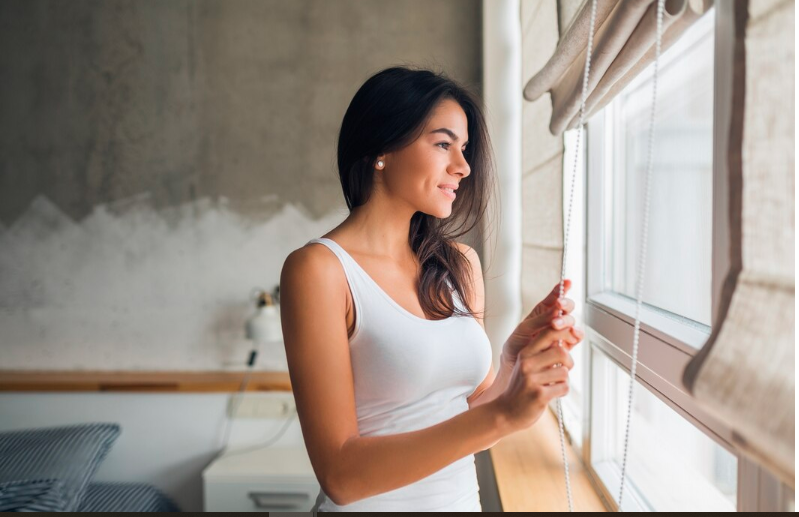
Modern interior design focuses on simplicity, functionality, and visual harmony. Homeowners and designers today aim to create spaces that feel open, comfortable, and visually balanced while maintaining practicality. One design element that has gained significant popularity for achieving these goals is roller shade blinds. Their clean appearance, adaptability, and efficient light control make them a preferred window treatment in contemporary homes and commercial interiors.
Unlike heavy drapery or complex window coverings, roller shades provide a streamlined solution that complements modern aesthetics while enhancing comfort and usability. This article explores how roller shade blinds contribute to modern interior design, examining their visual appeal, functional benefits, material options, and role in shaping contemporary living environments.
Understanding Roller Shade Blinds in Modern Interiors
Roller shade blinds are window coverings made from a single piece of fabric that rolls up or down using a simple mechanism. Their minimal structure aligns perfectly with modern design principles that prioritize clarity and efficiency.
Modern interiors often avoid visual clutter. Roller shades help achieve this by offering a neat and compact profile that disappears when raised and forms a smooth surface when lowered.
Key characteristics include:
- Simple rolling mechanism
- Sleek and unobtrusive design
- Wide range of fabrics and textures
- Flexible light filtering options
- Compatibility with various décor styles
Because of their understated appearance, they allow architectural features, furniture, and lighting elements to remain the focal point of a room.
Minimalism and Clean Visual Lines
Minimalism remains one of the strongest influences in modern interior design. Spaces are intentionally designed with fewer decorative elements, emphasizing clarity and purposeful design choices.
Roller shade blinds support this philosophy through their clean geometry.
Creating Visual Simplicity
Traditional curtains often introduce folds, patterns, and bulk that can visually overwhelm a space. Roller shades eliminate these distractions by presenting a flat, smooth surface.
Benefits include:
- Reduced visual noise around windows
- Consistent lines that complement modern architecture
- Enhanced perception of space and openness
When fully retracted, roller shades nearly disappear, reinforcing the minimalist concept of functional design without unnecessary ornamentation.
Supporting Open Concept Layouts
Modern homes frequently feature open floor plans where continuity between spaces is essential. Roller shades maintain visual consistency across multiple rooms without interrupting the overall flow.
Enhancing Natural Light Control
Lighting plays a central role in modern interiors. Designers carefully balance daylight and artificial lighting to create comfortable and adaptable environments.
Roller shade blinds provide precise light management while maintaining aesthetic integrity.
Adjustable Daylight Management
Different fabric opacities allow homeowners to control brightness levels throughout the day.
Common options include:
- Light filtering fabrics that soften sunlight
- Solar shades that reduce glare while preserving views
- Blackout materials for privacy and sleep environments
This adaptability helps maintain comfortable lighting conditions without compromising design cohesion.
Improving Indoor Ambience
Softly diffused light enhances textures, colors, and spatial depth. Roller shades allow natural light to enter gently, preventing harsh shadows that can disrupt modern interiors.
Complementing Contemporary Color Palettes
Modern interior design often relies on neutral tones, muted palettes, and carefully chosen accent colors. Roller shade blinds integrate seamlessly into these schemes.
Neutral Integration
Popular roller shade colors include:
- White and off white
- Soft gray tones
- Beige and sand shades
- Matte black for contrast
- Subtle textured weaves
These tones blend effortlessly with modern furniture and architectural finishes.
Customization Possibilities
Designers can select fabrics that either blend into walls or act as subtle design features. Textured fabrics add dimension without overwhelming the room.
This flexibility allows roller shades to function as both a background element and a refined decorative detail.
Space Efficiency for Modern Living
Urban living spaces increasingly prioritize efficiency. Apartments, condos, and compact homes benefit from design elements that maximize usable space.
Roller shade blinds require minimal clearance compared to curtains or layered treatments.
Advantages include:
- No floor space usage
- Clean window framing
- Ideal for smaller rooms
- Improved furniture placement flexibility
Because they sit close to the window frame, roller shades prevent visual crowding and help rooms feel larger.
Supporting Smart Home Integration
Technology integration is a defining characteristic of modern interior design. Automated environments enhance convenience while maintaining a sleek aesthetic.
Motorized roller shade blinds align naturally with smart home systems.
Automation Benefits
Motorized shades can be controlled through:
- Remote controls
- Mobile applications
- Voice assistants
- Scheduled automation
This allows users to adjust lighting conditions without interrupting daily activities.
Enhancing Energy Efficiency
Automated shades can respond to sunlight intensity, helping regulate indoor temperature by reducing heat gain during peak hours.
This contributes to sustainable design practices commonly associated with modern architecture.
Improving Privacy Without Compromising Style
Privacy solutions in modern interiors must balance functionality with aesthetics. Heavy coverings can feel outdated or restrictive.
Roller shade blinds provide privacy while maintaining visual lightness.
Key privacy advantages:
- Adjustable coverage levels
- Daytime privacy with solar fabrics
- Nighttime blackout options
- Clean appearance from both interior and exterior views
This makes them suitable for bedrooms, living rooms, offices, and street facing windows.
Versatility Across Interior Design Styles
Although strongly associated with modern interiors, roller shades adapt to various contemporary sub styles.
Scandinavian Design
Light colored roller shades complement Scandinavian interiors known for simplicity, natural light, and warm minimalism.
Industrial Interiors
Darker fabrics or textured materials pair well with exposed brick, metal finishes, and raw architectural elements.
Modern Luxury Spaces
High quality fabrics and motorized systems elevate roller shades into refined design components suitable for upscale environments.
Material Choices That Influence Design Impact
The fabric selected for roller shade blinds significantly affects both performance and appearance.
Fabric Types
Common materials include:
- Polyester blends for durability
- Linen inspired textures for softness
- Screen fabrics for glare reduction
- Blackout layers for complete light blocking
Each material introduces a different visual texture that can subtly shape the atmosphere of a room.
See also: Government Technology Challenges
Texture and Depth
Modern interiors often rely on layered textures rather than decorative patterns. Textured roller shades add visual interest while preserving simplicity.
Energy Efficiency and Thermal Comfort
Sustainability is increasingly important in modern design decisions. Window treatments contribute directly to indoor energy performance.
Roller shade blinds help regulate temperature by limiting solar heat gain and reducing heat loss.
Energy related benefits include:
- Lower indoor temperature during hot seasons
- Improved insulation near windows
- Reduced reliance on cooling systems
- Enhanced overall comfort
Solar fabrics particularly support eco conscious design goals by filtering sunlight without eliminating natural illumination.
Low Maintenance and Practical Living
Modern lifestyles value convenience and efficiency. Homeowners prefer design solutions that require minimal upkeep.
Roller shade blinds are easy to maintain compared to traditional window treatments.
Maintenance advantages:
- Dust resistant surfaces
- Simple cleaning with a cloth or vacuum brush
- No heavy laundering requirements
- Long lasting mechanisms
This practicality aligns with contemporary living where functionality is as important as appearance.
Creating Visual Continuity in Interior Spaces
Consistency is a defining trait of successful modern interiors. Window treatments should unify spaces rather than interrupt them.
Roller shades contribute to visual harmony by:
- Maintaining uniform window styling
- Supporting cohesive color schemes
- Allowing uninterrupted sightlines
- Enhancing architectural symmetry
When used throughout a home, they create a consistent design language that connects different rooms.
Ideal Applications in Modern Homes
Roller shade blinds work effectively across multiple areas due to their adaptability.
Living Rooms
They provide glare control for screens while maintaining openness and natural light.
Bedrooms
Blackout options improve sleep quality by minimizing external light intrusion.
Kitchens
Moisture resistant materials suit functional environments without sacrificing design.
Home Offices
Solar fabrics reduce screen glare while preserving outside views, supporting productivity.
Balancing Functionality and Aesthetics
Modern interior design succeeds when beauty and usability coexist. Roller shade blinds represent this balance effectively.
They offer:
- Practical light and privacy control
- Elegant minimal appearance
- Adaptability across design themes
- Technological compatibility
- Long term durability
Rather than acting as purely decorative elements, roller shades become integrated design tools that enhance everyday living.
The Role of Roller Shade Blinds in Future Interior Trends
As design trends continue evolving toward sustainability, automation, and simplicity, roller shade blinds are likely to remain a dominant window treatment choice.
Emerging trends include:
- Eco friendly fabric materials
- Increased smart home synchronization
- Larger window installations requiring minimal coverings
- Neutral layered interiors emphasizing texture over ornamentation
Their flexibility allows them to adapt alongside changing architectural and lifestyle preferences.
Conclusion
Modern interior design emphasizes clarity, comfort, and purposeful functionality. Roller shade blinds support these principles through their streamlined appearance, adaptable light control, and efficient use of space. By blending seamlessly into contemporary environments, they enhance natural lighting, improve privacy, and contribute to cohesive visual design.
From minimalist apartments to technologically advanced homes, roller shades provide a practical yet refined solution that aligns with modern living expectations. Their ability to merge aesthetics with performance ensures they remain a key element in shaping interiors that feel balanced, comfortable, and visually modern.