If you’ve ever turned on your car’s air conditioning only to find that the fan works on just one speed—usually stuck on high or sometimes only on low—you’re not alone. This is one of the most common HVAC issues drivers face, and in most cases, the culprit is a failing blower motor resistor.
While it may seem like a minor inconvenience at first, this issue can affect your comfort, visibility, and even the overall performance of your vehicle’s climate control system. In this in-depth guide, we’ll explain why this happens, how the blower motor resistor works, and what you should do to fix it.
Understanding the Problem: One Fan Speed Only
Your car’s HVAC system is designed to give you multiple fan speed options—low, medium, and high—so you can control airflow inside the cabin. When the fan gets stuck on a single speed, it’s usually a sign that something in the electrical control system has failed.
Common Scenarios:
- Fan works only on high speed
- Fan works only on low speed
- Some speeds work, others don’t
In most cases, the issue is directly related to the blower motor resistor.
What Is a Blower Motor Resistor?
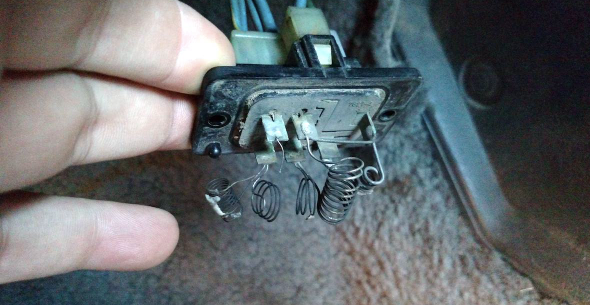
The blower motor resistor is an electrical component that controls the speed of your car’s blower motor. It does this by regulating the amount of electrical current flowing to the motor.
Simple Explanation:
- More resistance = less current = slower fan
- Less resistance = more current = faster fan
This is how your vehicle achieves multiple fan speed settings.
Why the Fan Gets Stuck on One Speed
When your fan only works on one speed, it usually means the blower motor resistor has partially failed.
Why High Speed Still Works
In most vehicles, the highest fan speed bypasses the resistor completely. Instead, it sends full power directly to the blower motor.
What This Means:
- If the resistor fails, lower speeds stop working
- High speed still works because it doesn’t rely on the resistor
This is why many drivers notice their fan is stuck on maximum speed.
Why Low Speed May Be the Only Option
In some cases, only the lowest speed works. This can happen when:
- Certain resistor circuits are damaged
- Electrical connections are partially broken
The exact behavior depends on which part of the blower motor resistor fails.
How the Blower Motor Resistor Works
To understand the issue fully, it helps to look at how the resistor operates.
Step-by-Step Function:
- Driver Selects Fan Speed
You adjust the fan speed using the dashboard controls. - Electrical Signal Is Sent
The system directs current through specific resistor pathways. - Resistance Is Applied
The resistor reduces voltage for lower speeds. - Blower Motor Responds
The motor spins at the desired speed.
When the blower motor resistor fails, one or more of these pathways stop working, limiting your speed options.
Common Causes of Blower Motor Resistor Failure
A faulty blower motor resistor doesn’t usually fail without reason. Several factors can contribute to its breakdown.
1. Overheating
Resistors naturally generate heat. Over time:
- Heat damages internal components
- Circuits burn out
- Resistance pathways fail
2. Blower Motor Overload
If the blower motor draws too much current:
- The resistor becomes overloaded
- Components wear out faster
This often happens when the blower motor itself is failing.
3. Poor Airflow
The resistor is typically placed in the airflow path to keep it cool.
If airflow is restricted (due to a clogged cabin air filter or debris):
- Heat builds up
- The resistor overheats and fails
4. Corrosion or Moisture
Moisture can damage electrical connections:
- Causes short circuits
- Leads to inconsistent operation
5. Electrical Issues
Loose wiring or damaged connectors can:
- Interrupt current flow
- Cause partial or complete failure
Symptoms That Point to a Faulty Blower Motor Resistor
If your fan is stuck on one speed, the blower motor resistor is the most likely cause—but there are other signs to watch for.
Key Symptoms:
- Fan works only on high or low
- Certain speeds don’t respond
- Airflow is inconsistent
- Fan stops working completely
- Burning smell from vents
- Intermittent fan operation
These symptoms often appear gradually before the resistor fails completely.
How This Affects Your Driving Experience
A faulty blower motor resistor doesn’t just limit fan speed—it can significantly impact your overall comfort and safety.
Reduced Comfort
- Harder to maintain a comfortable cabin temperature
- Too much or too little airflow
Poor Defrosting
- Weak airflow affects windshield defogging
- Can reduce visibility in cold or rainy conditions
Increased System Strain
- Other HVAC components may work harder
- Can lead to additional wear and tear
See also: Future-Proof Careers in Technology
Diagnosing the Issue
Before replacing parts, it’s important to confirm that the blower motor resistor is the actual problem.
Basic Checks You Can Do:
1. Test All Fan Speeds
- Note which speeds work and which don’t
2. Listen to the Blower Motor
- Ensure the motor itself is running smoothly
3. Check Airflow Strength
- Weak airflow may indicate other issues
Professional Diagnosis:
A technician may:
- Use a multimeter to test resistance levels
- Inspect wiring and connectors
- Check for fault codes in modern systems
Blower Motor Resistor vs Other Possible Causes
While the blower motor resistor is the most common cause, other components can create similar symptoms.
Blower Motor
- If completely faulty, the fan won’t run at all
Fan Switch or Control Panel
- May fail to send signals properly
Wiring Issues
- Broken or loose wires can interrupt current
HVAC Control Module
- In modern vehicles, electronic modules may malfunction
However, if the fan works on one speed only, the resistor remains the most likely issue.
How to Fix the Problem
The good news is that fixing a faulty blower motor resistor is usually simple and affordable.
Replacement Process:
- Locate the resistor (usually behind the glove box or near the blower motor)
- Disconnect the wiring harness
- Remove mounting screws
- Install the new resistor
- Reconnect everything
Cost Considerations:
- Parts are generally inexpensive
- Labor is minimal due to easy access
- Much cheaper than major AC repairs
Preventing Future Failures
You can extend the life of your blower motor resistor with proper maintenance.
Tips:
- Replace cabin air filters regularly
- Keep the HVAC system clean
- Address blower motor issues early
- Avoid running the fan at maximum speed constantly
- Ensure proper airflow through vents
When to Replace the Blower Motor Too
Sometimes, replacing the resistor alone isn’t enough.
Replace Both If:
- The blower motor is noisy or weak
- The resistor fails repeatedly
- There are signs of electrical overload
Replacing both components ensures long-term reliability.
Real-World Example
Let’s say your fan only works on high speed:
- You ignore it for weeks
- The resistor continues to degrade
- Eventually, the fan stops working completely
At this point, a simple resistor replacement could turn into a more complex repair.
Why This Is Such a Common Issue
The blower motor resistor is one of the most frequently replaced HVAC components because:
- It handles constant electrical load
- It is exposed to heat and airflow
- It wears out naturally over time
Its design makes it effective—but also vulnerable.
Conclusion
If your car’s AC fan only works on one speed, the blower motor resistor is almost always the reason. This small but essential component controls fan speed by regulating electrical current, and when it fails, your system loses that flexibility.
The good news is that this issue is usually easy and affordable to fix. By understanding how the blower motor resistor works and recognizing the warning signs early, you can restore your vehicle’s airflow and avoid more serious problems.
Whether your fan is stuck on high, low, or somewhere in between, addressing the problem promptly ensures a comfortable and safe driving experience—no matter the weather.